
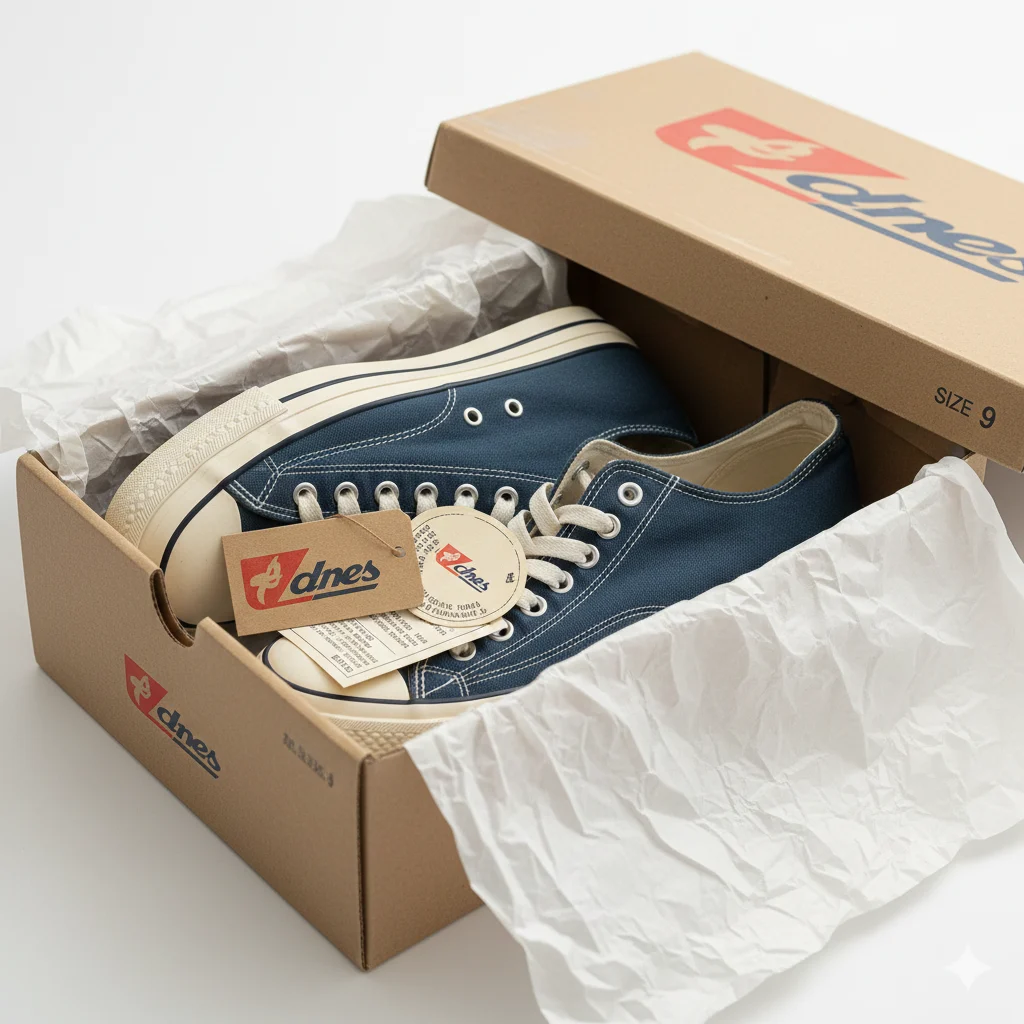
You’re scrolling through a sneakerhead’s Instagram or a vintage collector’s TikTok, and you see it: “RARE DEADSTOCK FIND 🔥.” Or maybe a friend texts, “Just copped these jeans, and they’re deadstock!” You nod along, but a little voice in your head whispers… Wait, what does deadstock actually mean? Is it a fancy way of saying something’s sold out? Does it mean it’s literally… dead? If you’ve ever felt that flicker of confusion, you’re in the perfect place. Let’s demystify this buzzword that’s taken over fashion, sneaker culture, and beyond.
Deadstock means an item—typically clothing, shoes, or collectibles—that is brand new, unworn, and vintage. It’s been sitting in its original packaging since it was first produced, often for years or even decades. It’s the ultimate find for collectors.
🧠 What Does Deadstock Mean in Text & Slang?
In the simplest terms, Deadstock describes a product that is old, rare, and brand new, all at once. It’s a piece of inventory that never sold when it was first released (hence, the stock “died” in a warehouse or storeroom) and has been preserved in pristine, unworn condition with its original tags and packaging. Over time, the word has evolved from a general retail term into a coveted status symbol within collector communities, especially for sneakers and vintage apparel.
When someone says an item is “deadstock,” they’re telling you it’s not just used vintage—it’s a time capsule piece. For example:
“Found a deadstock 1996 Nike tee in my grandpa’s attic. Tags still on!”
In short: Deadstock = Old, Unsold Inventory = A Brand New Vintage Item.
📱 Where Is Deadstock Commonly Used?
You’ll encounter this term most in spaces where collectibility and rarity are king. It’s not your average everyday slang but a specific niche term.
- 👟 Sneakerhead Culture: This is ground zero. Platforms like Instagram, Twitter, and dedicated forums are filled with “DS” listings.
- 🛒 Resale Marketplaces: eBay, Grailed, Depop, and StockX heavily use “Deadstock” or “DS” as a key condition filter and selling point.
- 🎞️ Vintage & Streetwear Communities: On TikTok and YouTube, haul videos and “thrifting” content often feature deadstock finds.
- 💬 Collector Groups: Whether it’s vinyl toys, vintage band tees, or classic jeans, Facebook groups and Discord servers use the term to denote the highest grade of item condition.
Tone & Formality: It’s a casual, community-specific term. You wouldn’t use it in formal writing, but it’s the professional standard within its niches. On social media, it’s a powerful hashtag: #deadstock.
💬 Examples of Deadstock in Conversation
Let’s see how it pops up in real chats.
Example 1 (Sneaker Sale):
A: “How’s the condition on those ‘99 Jordan 4s?”
B: “Fully deadstock, my guy. OG all, box is crispy.” ✅
Example 2 (Thrifting Haul):
A: “Check out this crazy striped sweater I found.”
B: “Whoa, is it vintage?”
A: “Better. It’s deadstock. Never even been washed.” ✨
Example 3 (Marketplace Listing):
Listing Title: “Rare 2005 Deadstock Polo Sport Jacket. Tags attached.”
DMs: “Is this truly deadstock? Any flaws?”
Seller: “100%. Been in storage since I bought it.”
Example 4 (Disappointment):
A: “Thought I scored a deadstock Carhartt beanie, but the tags were reattached 😤”
B: “Ugh, the worst. That’s not DS then.”
Example 5 (Excitement):
Posts a photo on Snapchat/Instagram Stories
Caption: “DEADSTOCK FIND OF THE CENTURY!!! 😭🙏 #vintage #thrifting”
🕓 When to Use and When Not to Use Deadstock
✅ When to Use “Deadstock”:
- When selling or describing a rare, new-old-stock item in collector spaces.
- When bragging about an epic, pristine vintage find with friends who get it.
- When searching for the highest quality tier on resale apps.
- In social media captions and hashtags targeting a fashion or sneaker audience.
❌ When NOT to Use “Deadstock”:
- In general formal writing (reports, emails, academic papers). Use “new old stock” or “vintage in original condition” if you must.
- To describe any old item that’s just used. It must be unworn/unused.
- In casual conversation with someone unfamiliar with the term—it will cause confusion.
- If you are unsure about an item’s history. Mislabeling is a serious faux pas in collecting.
Context Comparison Table:
| Context | Example Phrase | Why It Works |
|---|---|---|
| Sneaker Listing | “Jordan 1 Chicago ‘85 – Deadstock.” | Establishes maximum value, condition, and rarity instantly. |
| Talking to a Friend | “My grail jacket came in, and it’s deadstock!” | Communicates excitement and the item’s perfect state. |
| Formal Description | “A vintage jacket in its original, unworn condition.” | Clear and understandable to a broad audience without niche slang. |
| Incorrect Usage | “I love your deadstock sweater!” (to someone wearing it) | Once it’s worn, it’s no longer deadstock! You could say “vintage.” |
What Does the Number 5 Mean? Unpacking a Digital Love Code ❤️
🔄 Similar Slang Words or Alternatives
Here’s how “Deadstock” fits among other condition terms.
| Slang / Term | Meaning | When to Use |
|---|---|---|
| Deadstock (DS) | Brand new, unworn, vintage item with original packaging. | The gold standard for unworn vintage. |
| New With Tags (NWT) | New item, often recent, with tags attached. | Common on Poshmark/eBay; doesn’t imply age, just newness. |
| New Without Tags (NWOT) | New, unworn item but the tags are removed. | For items that are new but lack the full original packaging. |
| Vintage / Retro | Item is from a past era (typically 20+ years old). | Describes the style/age, not necessarily the condition. |
| Grail | A person’s ultimate, hardest-to-find desired item. | Often deadstock, but focuses on personal importance, not condition. |
| OG All | Has all the original components (box, laces, inserts). | A key part of a deadstock claim, especially for sneakers. |
🏷️ The History and Evolution of “Deadstock”
The term originated in retail and manufacturing to literally describe inventory that didn’t sell (“dead” stock) and was often warehoused or liquidated. In the 1990s and 2000s, sneaker and streetwear culture flipped the script. They began seeking out these forgotten, brand-new vintage items, and “deadstock” transformed from a term of commercial failure to one of ultimate desire and authenticity.
🤔 How to Verify if Something is Truly Deadstock
Trust but verify! Key signs:
- Original Tags & Packaging: Look for period-correct price tags, hangtags, and boxes.
- Zero Signs of Wear: Check for fabric creases from folding, not from wearing. Soles should be pristine, no scuffs.
- Chemical Smell: Old, unworn items can have a distinct “vintage new” smell from aging materials.
- Seller Reputation: Buy from established, reputable sellers in the community.
🚨 Common Scams and Misuses to Avoid
Beware of listings that misuse the term:
- “Deadstock Style”: Means it’s a new reproduction, not vintage.
- Reattached Tags: Unscrupulous sellers may sew old tags onto used items.
- “Worn Once” or “Tried On”: That is, by definition, not deadstock. It’s pre-owned.
🔍 The Cultural Impact of Deadstock Hunting
The hunt for deadstock is more than shopping; it’s a form of digital archaeology. It represents a desire for authenticity, history, and tangible quality in a fast-fashion world. Platforms like Depop and TikTok have turned finding deadstock into a celebrated skill, creating a new generation of collectors.
❓ FAQs About Deadstock
Q: Is deadstock the same as vintage?
A: Not exactly. All deadstock items are vintage (old), but not all vintage is deadstock. Vintage means simply from a past era. Deadstock means vintage and brand new.
Q: Why is deadstock so expensive?
A: It combines scarcity (no longer made), age (vintage), and perfect condition (brand new). It’s the rarest form a collectible can take, driving high demand and prices.
Q: Can you wear deadstock items?
A: Absolutely! But the moment you wear it, it transitions from “deadstock” to “excellent condition vintage.” The value often decreases once it’s no longer in its pristine, unworn state.
Q: Does deadstock only apply to clothing?
A: While most common there, it can apply to any collectible—vinyl records, toys, electronics—that is old but never used and in its original packaging.
Q: What’s the difference between deadstock and overstock?
A: They’re opposites. Overstock is excess recent inventory sold off cheaply. Deadstock is old inventory that has become rare and valuable over time.
💎 Conclusion
So, what does deadstock mean? It’s more than a slang term—it’s a certificate of authenticity, a time machine in a box, and the holy grail for collectors. It signifies an item that has survived decades untouched, waiting for the right person to appreciate its history and pristine condition. Whether you’re a seasoned sneakerhead, a vintage fashion enthusiast, or just someone who finally understands that confusing Instagram caption, you’re now in the know. The next time you see #deadstock, you’ll recognize it for what it truly represents: the thrilling discovery of something old, yet perfectly, magically new.

Mariah Cannon is an accomplished author and content creator, passionate about storytelling and delivering impactful messages. Through her writing, she explores themes of personal development, creativity, and the power of perspective. Her work is designed to motivate, inspire, and provide readers with practical insights for navigating life’s challenges while embracing growth and self-expression.