
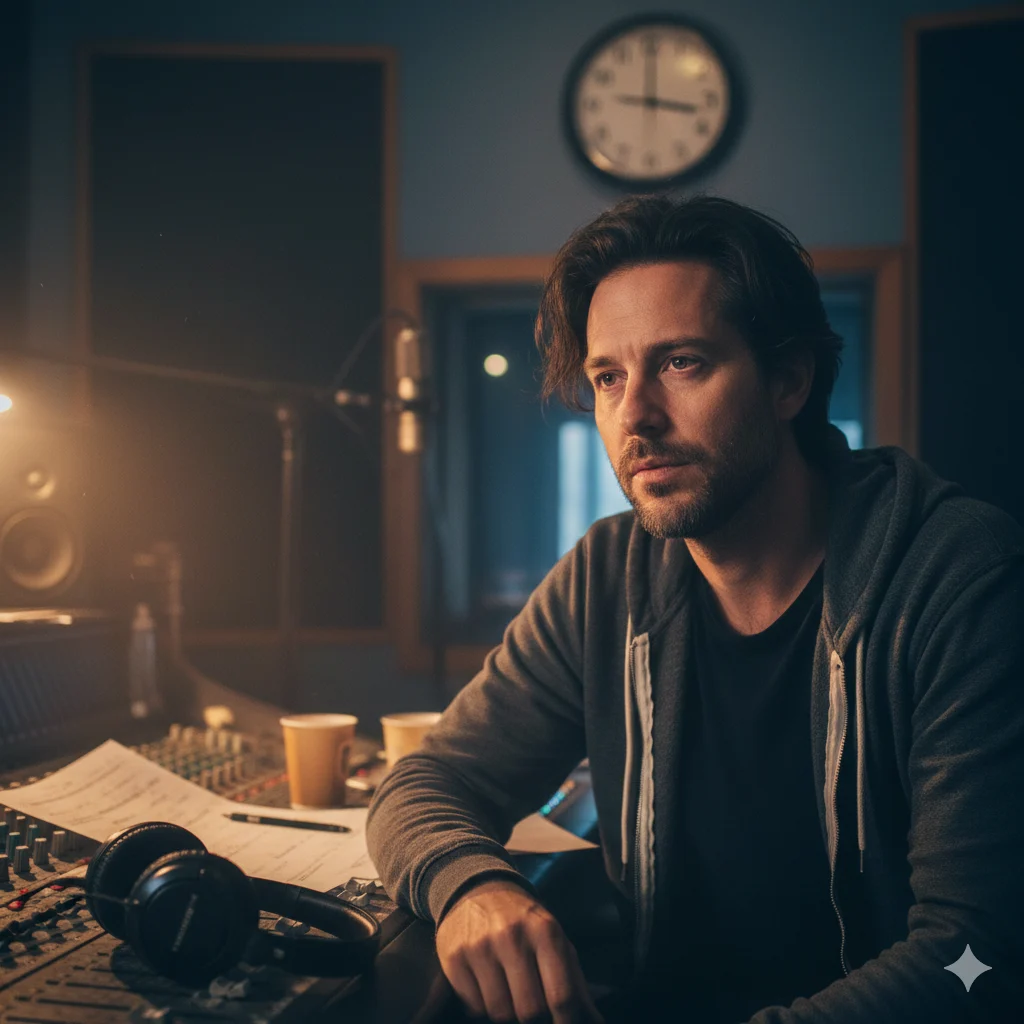
“25 or 6 to 4” is the title of a classic rock song by the band Chicago. It’s not a slang phrase for texting. It’s a lyrical expression describing the struggle to write a song in the very early morning, at 25 or 26 minutes to 4 AM.
Ever hear a song lyric that stops you in your tracks, making you rewind and think, “Wait, what did they just say?” If you’ve found yourself typing “what does 25 or 6 to 4 mean” into a search bar, you’re in legendary company. This cryptic phrase from Chicago’s 1970 hit has baffled listeners for over 50 years. Is it a secret code? A drug reference? A complex math equation? The truth is far more relatable and human. Let’s unravel one of rock music’s most enduring lyrical mysteries.
🧠 What Does “25 or 6 to 4” Mean in Text & Song?
First, a crucial clarification: “25 or 6 to 4” is not an internet or texting slang term. You won’t see it in a Snapchat story or a TikTok caption (unless someone’s talking about the song). It belongs entirely to the world of music and lyrical storytelling.
The phrase comes from the song “25 or 6 to 4” by the band Chicago, from their 1970 album Chicago II. The lyric was written by the band’s keyboardist, Robert Lamm. According to Lamm, the title is a straightforward, if slightly poetic, way of telling time.
The Meaning: It describes 25 or 26 minutes until 4 o’clock in the morning. In other words, it’s 3:35 or 3:34 AM. The song captures the exhausted, bleary-eyed feeling of trying to write a song through the night, staring at the clock in a creative struggle.
Example in a Sentence: “After pulling an all-nighter to finish the project, I felt just like the guy in ‘25 or 6 to 4’—totally drained and watching the minutes crawl by.”
In short: “25 or 6 to 4” = 25 or 26 minutes to 4 AM = The lonely, creative struggle in the dead of night.
📱 Where Is “25 or 6 to 4” Commonly Used?
Since it’s not slang, its use is specific:
- 🎸 Music Discussions & Forums: Debated by fans analyzing classic rock lyrics.
- 🎵 Streaming Platforms: In comments on the song’s page on Spotify, YouTube, or Apple Music.
- 🧠 Trivia & Pop Culture Contexts: Appears in quizzes or articles about misunderstood lyrics.
- 🗣️ Casual Conversation: Used as a cultural reference to describe being up extremely late or struggling with a task.
Tone: It’s a cultural reference, not formal or casual slang. Using it assumes the other person knows the song.
💬 Examples of “25 or 6 to 4” in Conversation
While not used as slang, people might reference the phrase in chats. Here’s how:
- As a State of Being:
- A: “You sound exhausted. Are you okay?”
- B: “Been coding since midnight. I’m fully in a 25 or 6 to 4 state of mind right now. 😵”
- In a Music Discussion:
- A: “What’s a lyric you always misheard?”
- B: “For YEARS I thought Chicago was singing about some secret code. Turns out ‘25 or 6 to 4’ is just… the time. 🤯”
- Describing a Situation:
- A: “The baby was up crying every hour last night.”
- B: “Oh no! Sounds like you had a real 25 or 6 to 4 kind of night. ☕”
- Clarifying the Meaning:
- A: “My dad keeps playing that song ‘25 or 6 to 4.’ What is that even supposed to mean?”
- B: “It’s about a songwriter up at like 3:30 AM, trying to finish a song. It’s literally the time on the clock!”
What Does the Name Brandon Mean? Discover Its Hidden Truth
🕓 When to Use and When Not to Use This Phrase
✅ When to Reference It:
- When talking about classic rock music or songwriting.
- To colorfully describe being up very late, especially while working.
- In casual conversation with friends who you know are music fans.
- As a piece of fun, obscure pop culture trivia.
❌ When Not to Use It:
- In formal writing, reports, or emails.
- As actual texting slang (people will be confused).
- In urgent situations (“I’ll be there in 25 or 6 to 4 minutes” is nonsense).
- With someone who has no familiarity with classic rock.
| Context | Example Phrase | Why It Works (or Doesn’t) |
|---|---|---|
| Music Fan Chat | “That guitar solo in ‘25 or 6 to 4’ is iconic.” | Perfect shared cultural reference. |
| Describing Your Night | “Pulled an all-nighter. Total 25 or 6 to 4 vibe.” | Evocative and relatable for the situation. |
| Formal Email | “The report will be ready by 4 AM.” | The phrase is unclear and unprofessional here. |
| Giving Directions | “Turn left in about 25 minutes.” | The phrase is not literal and would cause confusion. |
🔄 Similar Cultural References or “Lyrical Slang”
Some song titles or lyrics become shorthand for a feeling. Here are similar examples:
| Cultural Reference | Meaning / Origin | When to Use It |
|---|---|---|
| “Bohemian Rhapsody” | The iconic, complex Queen song. | To describe something dramatic, confusing, or epic in scale. |
| “Stairway to Heaven” | The famous Led Zeppelin epic. | Referencing something legendary, overplayed, or a classic. |
| “99 Problems” | Jay-Z song title. | To humorously say you have many issues (often not serious). |
| “Hotel California” | The Eagles song about a surreal, inescapable place. | Describing a situation that’s comfortable but you feel stuck in. |
| “Yellow Submarine” | The Beatles’ trippy song. | Describing something colorful, weird, or psychedelic. |
🎸 The Story Behind the Song: More Than Just Time
The genius of “25 or 6 to 4” lies in how it translates a specific, vulnerable moment into a powerful rock anthem. Lamm was in a rental house in the Hollywood Hills, under pressure to write songs for the band’s second album. As dawn approached, he was spent, staring at “the ticking clock” and a blank page. The lyric “waiting for the break of day” and the frantic, building music perfectly mirror that anxiety and exhaustion. The phrase isn’t meant to be cryptic; it’s the raw, unfiltered thought of someone too tired to even phrase the time normally.
🎶 Why the Confusion Persists
Several factors fuel the ongoing mystery. First, the phrasing is unusual—we typically say “twenty-five to four,” not “twenty-five or six to four.” This slight twist makes it sound like a riddle. Second, the song’s powerful, almost militant brass arrangement and guitar solo feel intense, leading listeners to search for a deeper, hidden meaning. In the era it was released, ambiguous lyrics were often (sometimes correctly) interpreted as veiled drug references, cementing that theory for many.
👂 Commonly Misheard Lyrics in “25 or 6 to 4”
Part of the fun is what people think they hear! A common mishearing in the chorus is:
- What people hear: “Spinning, spinning, spinning to the moon!”
- Actual lyric: “Feeling like I ought to sleep…” or in later live versions, clear enunciation of “25 or 6 to 4!”
These “mondegreen” (misheard lyric) moments add to the song’s legendary status.
🤔 “25 or 6 to 4” vs. Actual Text Slang
It’s important to distinguish this from real texting shorthand. If a friend is running late, they’ll text “OMW” (On My Way) or “5 mins”—not a cryptic time phrase from a 70s rock song. Understanding this difference saves you from a major communication mix-up!
✍️ How to Use the Phrase Correctly in Your Writing
If you want to use this reference effectively:
- Use it as a Metaphor: “The startup’s early days had a real ’25 or 6 to 4′ energy—lots of late nights and desperate creativity.”
- Set the Scene: “The room was silent save for the keyboard clicks. It was 25 or 6 to 4, and the solution still eluded him.”
- Keep Your Audience in Mind: Only use it if your readers or listeners will likely get the reference.
🏆 The Legacy of “25 or 6 to 4”
Despite—or perhaps because of—the confusion, “25 or 6 to 4” remains one of Chicago’s most signature songs. It’s a staple of classic rock radio, a fan favorite at concerts, and a permanent entry in the book of “Greatest Guitar Solos.” Its lasting power proves that art doesn’t need to be perfectly clear to be deeply resonant. Sometimes, a simple feeling from 3:35 AM can echo for decades.
🎬 Pop Culture Appearances
The song’s cool factor ensures it pops up elsewhere:
- It’s been featured in movies and TV shows to signify a 70s vibe or a character’s rebellious streak.
- Modern bands and artists cite it as an influence.
- Its iconic opening guitar riff is instantly recognizable to millions.
FAQs About “25 or 6 to 4”
Is “25 or 6 to 4” a drug reference?
Quick Answer: No. While many fans speculated it was about drug use, songwriter Robert Lamm has consistently stated it is literally about the time of night and the creative process.
What is the 25 or 6 to 4 time?
Quick Answer: It is 25 or 26 minutes before 4 AM, which is 3:35 AM or 3:34 AM.
Who wrote “25 or 6 to 4”?
Quick Answer: It was written by Robert Lamm, the keyboardist and vocalist for the band Chicago.
Is “25 or 6 to 4” about math?
Quick Answer: No, it’s not a math equation. It’s a colloquial way of telling time, like saying “quarter to four.”
✅ Conclusion
So, the next time you hear that iconic guitar riff and wonder, “what does 25 or 6 to 4 mean?” you can confidently say: It’s the lonely, poetic time of 3:34 AM, a snapshot of creative struggle frozen in a rock classic. It’s not slang, not a code, and not a math problem—it’s a feeling. A feeling of pushing through exhaustion, watching the clock, and waiting for the sunrise, all set to an unforgettable brass and guitar soundtrack. The mystery is solved, but the song’s magic remains. Now, go give it another listen with fresh ears!

Mariah Cannon is an accomplished author and content creator, passionate about storytelling and delivering impactful messages. Through her writing, she explores themes of personal development, creativity, and the power of perspective. Her work is designed to motivate, inspire, and provide readers with practical insights for navigating life’s challenges while embracing growth and self-expression.