

Ever opened a message or workplace chat and suddenly saw someone say, “I’ll triage this later” or “Can you triage these emails?” If it made you stare at your phone in confusion, don’t worry — most people encounter this term for the first time in hospitals, not in text messages. Seeing it casually dropped in a conversation can feel weird and even intimidating.
But here’s the good news: “triage” is NOT complicated. It has a simple, practical meaning — and once you understand it, you’ll notice people using it everywhere, especially in workplaces and task-heavy chats.
Triage means “prioritize tasks based on urgency.”
It’s a professional and organized way of saying “I’ll handle the most important things first.”
🧠 What Does Triage Mean in Text?
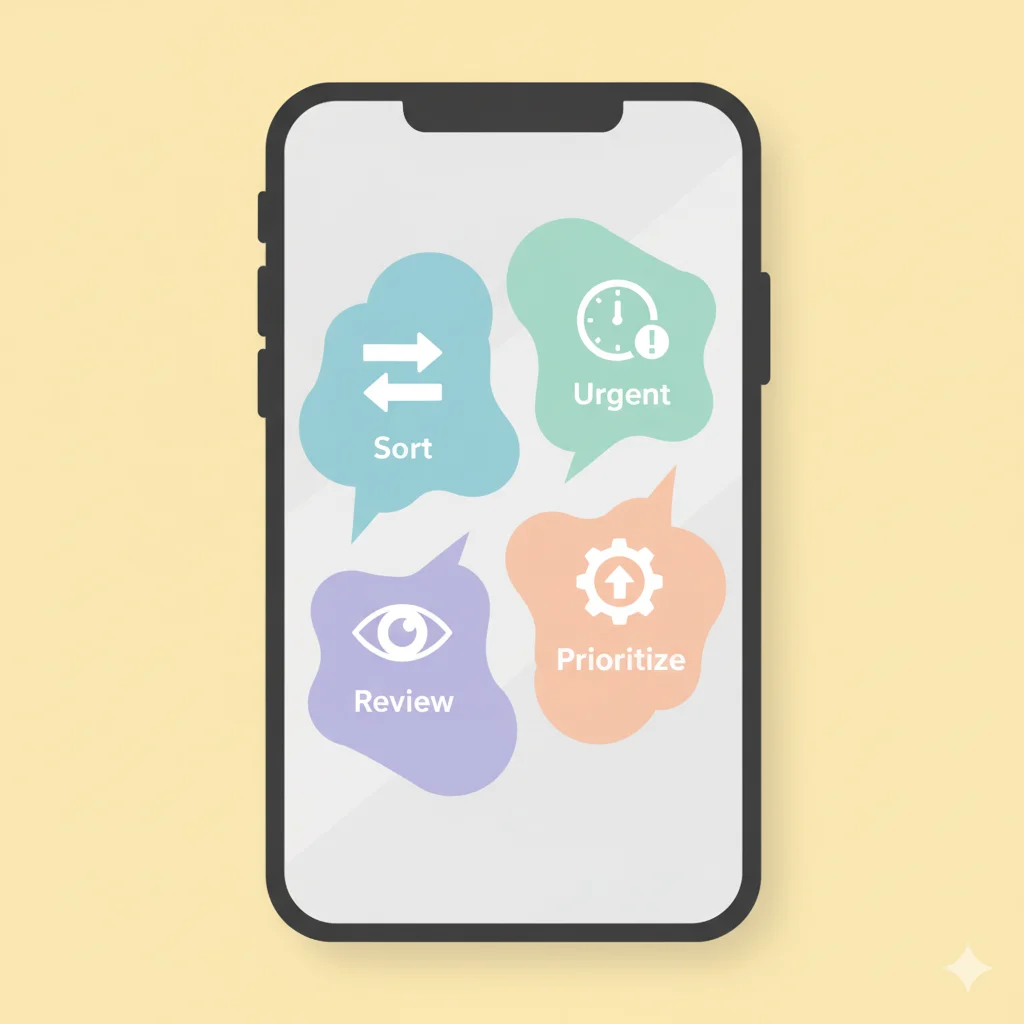
In texting and workplace communication, “triage” refers to sorting, organizing, or prioritizing tasks/messages based on importance or urgency.
Originally used in the medical world (doctors “triage” patients in emergencies), the term is now common in business, tech, customer support, and project management.
Simple example:
“Let me triage my inbox and get back to you.”
This means:
“I’ll check everything, decide what matters most, and then respond.”
In short:
👉 Triage = Prioritize = Sort things by urgency.
📱 Where Is “Triage” Commonly Used?
“Triage” is not your typical slang word — it’s more of a professional shorthand.

You’ll see it often in:
- 💼 Workplace chats (Slack, Teams, email)
- 🧑💻 Tech & IT conversations
- 📩 Customer service and support chats
- 📱 Productivity-focused texts
- 📊 Project management (Trello, Jira, Asana)
- 🧠 Group tasks or planning conversations
Tone:
✔ Formal
✔ Professional
✔ Organized
❌ Not flirty
❌ Not casual slang for friends
People rarely use it in casual texting unless joking or referencing work.
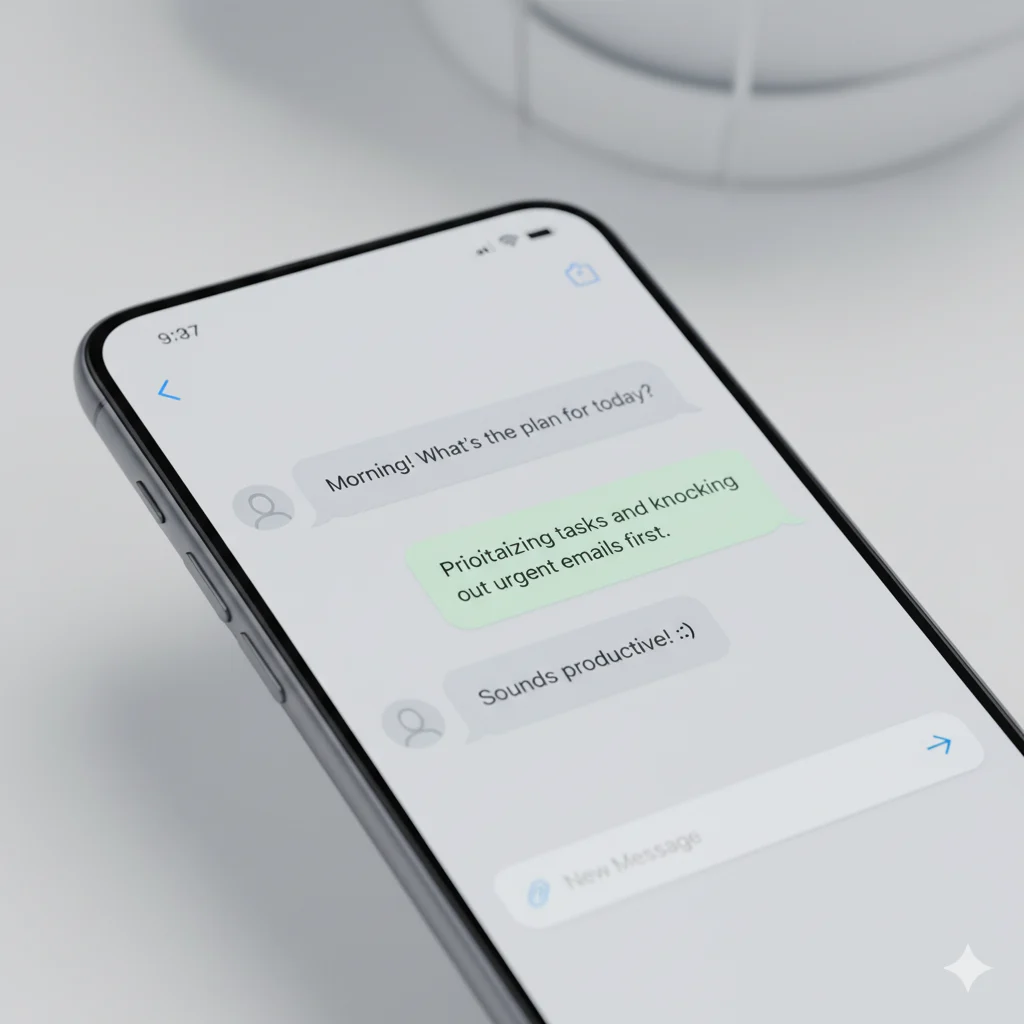
💬 Examples of “Triage” in Conversation
Here are real, natural examples so you can see how people actually use it:
1.
A: hey did you check the new emails?
B: not yet, gonna triage them in 10 mins
2.
A: can u look at these issues?
B: sure, let me triage the list and fix the urgent ones first
3.
A: we have too many messages today 😭
B: same, I need to triage my inbox asap
4.
A: which tasks should we start with?
B: let’s triage everything and pick the top priorities
5.
A: deadline’s close, what’s the plan?
B: i’ll triage the tasks and update you
6.
A: can u handle this now?
B: hold on, still triaging the morning backlog
7.
A: why is the reply late?
B: sorry! still triaging tickets 😅
🕓 When to Use and When Not to Use “Triage”
✅ When to Use “Triage”
Use it when you want to sound clear, professional, or organized:
- When sorting tasks or emails
- When multiple issues need prioritizing
- In work chats and productivity conversations
- When you need time to check what’s most urgent
- When talking in team or project environments
❌ When NOT to Use It
Avoid it in:
- Casual chats with friends
- Romantic or flirty conversations
- Serious emotional situations
- When the other person may not understand workplace jargon
- Formal emails unless the audience knows the term
Comparison Table: When “Triage” Fits vs. When It Doesn’t
| Context | Example Phrase | Why It Works |
|---|---|---|
| Friend Chat | “Give me a sec, I’m triaging work stuff 😅” | Casual but still about work |
| Work Chat | “I’ll triage the tasks and update you.” | Professional & clear |
| “I will triage the incoming requests shortly.” | Polite and appropriate for workplace | |
| Personal Chat | “I’ll triage our plan for tonight.” | ❌ Too formal for personal context |
🔄 Similar Slang Words or Alternatives
Here are the closest alternatives people use instead of “triage”:
| Slang/Term | Meaning | When to Use |
|---|---|---|
| Prioritize | Decide what’s most important | Professional & general use |
| Sort out | Organize things | Casual or professional |
| Handle | Take care of tasks | Quick, simple conversations |
| Review | Go through items carefully | Emails and formal chats |
| Check through | Look at everything one by one | Casual texting |
| Manage | Control tasks or workload | Work conversations |
❓ FAQs About “Triage”
1. Is “triage” a slang word?
Not exactly. It’s a professional term that has become common in texting, especially among people who work in tech, business, customer service, or management.
2. Does “triage” mean fixing something?
No — it means sorting and deciding what needs attention first.
Fixing may come later, but triage is the organizing step.
3. Is it rude to say “I’ll triage this later”?
Not at all. It simply means you will check everything and handle the urgent parts first. It’s considered professional and responsible.
4. Can I use “triage” in personal conversations?
You can, but it might sound unnecessarily formal unless you’re joking or referencing work stress.
5. Is triage the same as multitasking?
No.
Triage = choosing what to do first
Multitasking = doing multiple things at once
6. Does “triage” apply only to medical situations?
Originally yes, but now it’s widely used in workplaces and digital communication.
🏁 Conclusion
“Triage” may sound like a complicated medical term, but in texting and workplace chats, it simply means sorting tasks or messages by priority. It’s a practical, professional way of saying you’ll handle the most important things first. Once you understand it, you’ll see it used everywhere — from inbox management to team discussions. Whether you’re organizing your workload, responding to a busy chat thread, or planning tasks with coworkers, “triage” helps keep everything clear and structured.
In short, it’s a smart, efficient word that makes communication smoother and more organized.